A used vehicle changes owners on average around eleven years old in France. This aging of the exchanged fleet profoundly alters what needs to be checked before buying, the precautions to take when selling, and the maintenance areas to monitor closely.
Used vehicles over ten years old: how age affects the purchase
According to data from AAA Data and SDES, cars over ten years old now represent about half of transactions in the French market. This shift has direct consequences on the nature of risks when buying.
For a recent vehicle, the buyer focuses on mileage and cosmetic condition. For an older model, major components become the primary risk area: clutch, turbo, timing belt, and even structural corrosion on certain bodies. Anticipating the replacement of these parts before signing avoids hefty bills in the months that follow.
Platforms like lunion-auto.fr allow users to compare listings and access detailed information about mechanical condition, helping to filter vehicles that have been properly maintained.
The HistoVec report, made available for free by the Ministry of the Interior, remains a reliable tool for cross-referencing the date of first registration, the number of owners, and the administrative status. For an older vehicle, checking that no opposition or lien is recorded makes even more sense, as these cars often undergo several successive resales.

Sale of used cars between individuals: concrete legal pitfalls
Private sales dominate the market, and this is also where disputes are concentrated. Hidden defects remain the primary source of litigation. In 2026, several court rulings confirmed that the sale can be rescinded even for a defect not apparent at the time of the transaction.
The private seller is not exempt from this legal warranty, contrary to popular belief. For the seller, protection comes through documented transparency:
- Write down any known defects, even minor ones (wheel noise, oil consumption, intermittent warning light) on the sales receipt.
- Keep maintenance and repair invoices from the last two years, which prove good faith in case of subsequent claims.
- Provide a technical inspection less than six months old, mandatory for any sale of a vehicle over four years old.
- Never alter the mileage displayed on the odometer, a practice that constitutes a criminal offense and automatically voids the sale.
On the buyer’s side, demanding a maintenance booklet stamped by a professional remains the most protective reflex. A blank booklet on an eight-year-old vehicle should trigger an immediate alert.
Maintenance of a used vehicle: areas to monitor according to age
Maintaining a used car is not just about the annual oil change. The maintenance plan varies significantly based on the vehicle’s age and mileage.
Routine service and consumables
Oil, air, and cabin filters, brake fluid, brake pads: these items follow a standard schedule, often detailed in the manufacturer’s booklet. Replacing the brake fluid every two years is often overlooked, even though it directly affects braking efficiency.
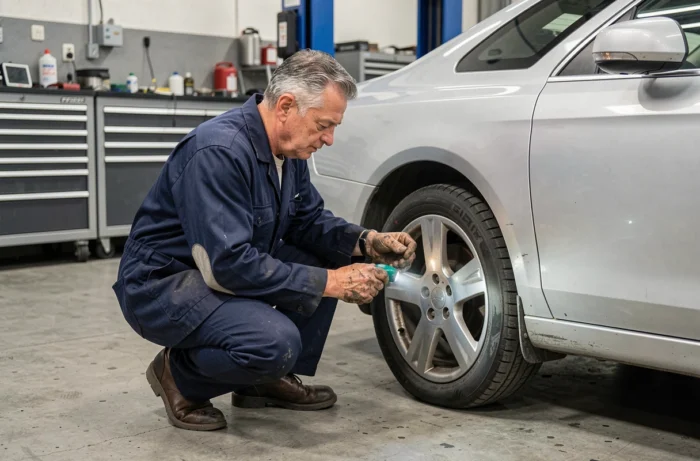
Tires deserve special attention. Beyond tread depth, a tire over five years old loses grip even if it looks visually new. The manufacturing date, marked on the sidewall (DOT code), allows for quick verification of this point.
Critical components after crossing the 100,000 km mark
The timing belt, when not replaced by a chain, remains the most sensitive area. Its failure usually causes irreparable engine damage. Checking the date and mileage of the last replacement before any purchase is non-negotiable.
Shock absorbers, front suspension bushings, and ball joints wear out gradually and do not always trigger a warning light. A careful road test (dull noises over speed bumps, straight-line stability) can help identify these defects without specialized equipment.
Used car market in 2025: the rise of auctions and the decline of the professional channel
The used car market is undergoing a notable reorganization. Sales through large automotive distribution groups (BtoC professional channel) have decreased in market share between 2024 and 2025. At the same time, used vehicle auction sales have surpassed 3 billion euros in adjudications for the first time.
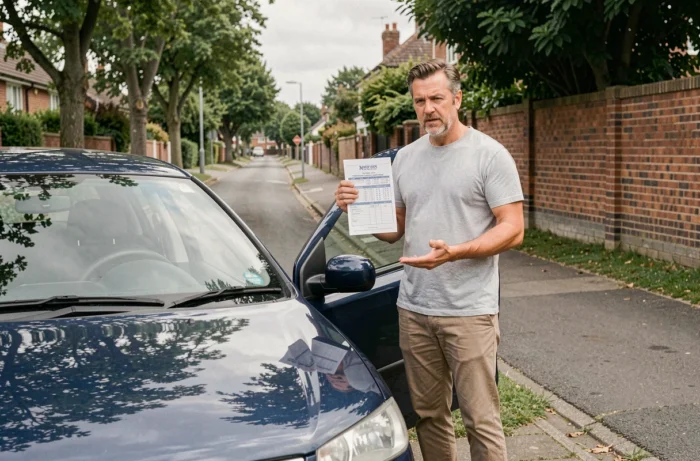
This evolution means that the private buyer faces a more fragmented offer. Vehicles are increasingly passing through short channels (individual to individual, auctions, agents) rather than traditional dealerships. The direct consequence: less commercial warranty included by default, and an increased need for individual verification before each purchase.
For the seller, this trend presents an opportunity. Auction platforms sometimes allow for a price higher than the Argus value on sought-after models, provided the vehicle is presented with a complete file (recent technical inspection, up-to-date maintenance booklet, invoices for replaced parts).
The used market remains the largest automotive market in France by volume. Whether buying, selling, or maintaining an aging vehicle, documentation and anticipation of structural repairs make the difference between a good deal and a financial pitfall. The technical inspection provides a regulatory overview, but only a thorough mechanical inspection, combined with a clear history, truly protects the buyer.